CAMPING ESSENTIALS FOR UTAH: THE TEN SYSTEMS THAT ACTUALLY MATTER
Camping checklists online swing between two extremes: bare-bones lists that forget the stuff that keeps you safe, and gear-catalog lists that would fill a truck bed. There is a better starting point, and it has been field-tested for nearly a century. In the 1930s, The Mountaineers, a Seattle climbing organization, assembled a list called the Ten Essentials, and it has since become the standard preparedness framework for hikers and campers, used by groups from search and rescue teams to the National Park Service. The modern version is organized as ten systems rather than ten items, and it maps perfectly onto a Utah camping trip. Here is each system in plain English, tuned for camping along the Wasatch and beyond.
NAVIGATION: KNOW WHERE YOU ARE WITHOUT A SIGNAL
Utah's canyons and high country eat cell service, so your phone cannot be the whole plan. Carry a paper map of the area and a basic compass, and know roughly how to use them together. If you camp far from trailheads, a GPS device or a downloaded offline map adds a layer, but the paper map is the piece that never runs out of battery. Leave your route and return time with someone at home, which costs nothing and shortens every search story ever told.
SUN PROTECTION: UTAH'S QUIET HAZARD
Between the elevation and the dry air, Utah sun burns faster than most people expect, even on cool days. Sunscreen, lip balm with SPF, sunglasses, and a brimmed hat cover it. This is the least glamorous system on the list and the one most likely to save a trip, because a bad burn on day one makes everything after it miserable.
INSULATION: PACK FOR THE NIGHT, NOT THE AFTERNOON
High-elevation nights get cold in every month of the year, and summer campers get caught by it constantly. Pack a warm layer and a beanie even in July, and build around the same layering logic that works in winter: a wicking base, an insulating mid layer like wool or fleece, and something to block wind. Wool keeps insulating even when damp, which is why surplus wool layers and blankets have been camp staples for generations. A sleeping bag rated for the season and a sleeping pad under it complete the system, and the pad is not optional, because the ground pulls heat out of you faster than the air does.
ILLUMINATION: HANDS-FREE LIGHT FIRST
A headlamp beats a flashlight for camp chores, cooking, and midnight walks because it leaves both hands free. Pack one per person, plus spare batteries, plus a backup light source. Your phone light is a backup to the backup, not a plan. If it is the only light you brought, you are spending battery you may need for maps or an emergency call.
FIRST AID: BUILD IT FOR THE TRIP YOU ARE TAKING
A solid camp first aid kit covers cuts, scrapes, blisters, burns, splinters, bug bites, and a rolled ankle: bandages, gauze, tape, antiseptic, tweezers, pain relievers, moleskin, and any personal medications. Check it before every season, because used-up supplies and expired meds have a way of hiding in kits. If anyone in the group has allergies or specific medical needs, those supplies ride on top, not at the bottom.
FIRE: TWO WAYS TO START IT, KEPT DRY
Fire is warmth, cooking, morale, and an emergency signal, which is why it earns its own system. Carry at least two ways to start one, such as a lighter plus waterproof matches or a ferro rod, stored where water cannot reach them. Know the current fire restrictions where you camp, since much of Utah runs seasonal bans, and a camp stove covers cooking when open flames are off the table.
REPAIR KIT AND TOOLS: THE FIX-IT SYSTEM
A knife or multi-tool, a strip of duct tape, and a length of paracord fix a staggering share of camp problems: snapped tent poles, torn rainflys, broken buckles, loose gear. Our full guide to paracord uses covers how far that one item stretches. None of this weighs much, and the first repaired tent pole pays for all of it.
FOOD AND WATER: EXTRA BEATS EXACT
Pack more food than the trip needs, leaning on calorie-dense things that survive a pack: jerky, nuts, bars, dried fruit, and shelf-stable meals. For water, plan around a gallon per person per day in Utah's dry climate, and carry a filter or purification tablets so a creek or lake can extend your supply.
EMERGENCY SHELTER: THE JUST-IN-CASE LAYER
This is the system people skip because the tent feels like enough, but the point is what happens away from the tent: a turned ankle two miles out, a storm that moves faster than you do. An emergency bivy, a compact space blanket, or even a heavy-duty poncho weighs a few ounces and turns a bad night into an uncomfortable story. A surplus poncho pulls double duty here, working as rain gear and rigging into a shelter with that paracord you already packed.
THE CONTAINER IT ALL LIVES IN
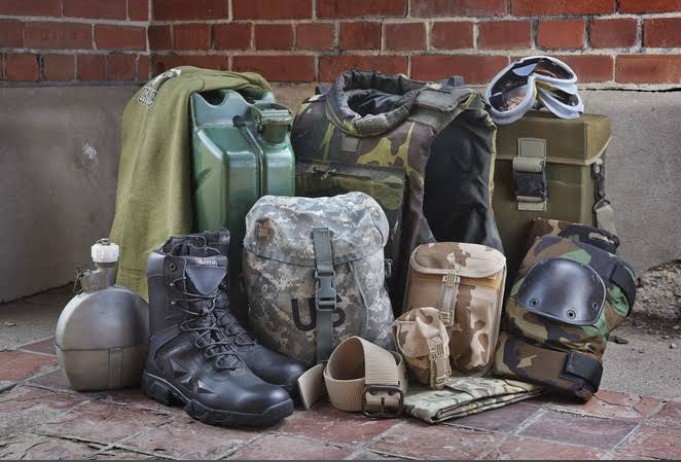
A duffel or rucksack that can take abuse ties the ten systems together. Camping gear gets thrown in truck beds, dragged over rock, and left in the weather, and canvas military-style bags have survived that treatment for decades. Keep the essentials packed in it between trips and restock what you use, and half your packing is already done. The same thinking builds your home emergency setup too, and our 72-hour emergency kit guide shows how much these two kits overlap.
You do not need to buy all ten systems at once, and most of them cost far less than the gear catalogs suggest. Build a system per trip, keep it packed, and upgrade the piece that failed you last time. Uncle Sam's in Orem carries outdoor and camping gear along with surplus clothing, boots, and preparedness supplies, and the staff can help you fill the gaps in your setup. Stop by 1698 S State St in Orem, Monday through Saturday, 10am to 7pm.
Frequently Asked Questions
A preparedness framework created by The Mountaineers in the 1930s and used widely today: navigation, sun protection, insulation, illumination, first aid, fire, repair kit and tools, extra food, extra water, and emergency shelter. The modern version treats each as a system you tailor to the trip.
Shelter and sleep (tent, rated sleeping bag, pad), the Ten Essentials, food and water, and weather-appropriate layers. Borrow or buy used for your first trips, then upgrade the pieces that mattered most.
Plan around one gallon per person per day in Utah's dry climate, more in summer heat. A water filter or purification tablets let you safely extend your supply from natural sources.
The ground conducts heat away from your body faster than cold air does, and compressed insulation under you barely works. A pad is the difference between a warm night and a cold one at the same temperature rating.
A headlamp, because it keeps both hands free for cooking, setup, and walking at night. Bring spare batteries and a backup light, and treat your phone light as a last resort rather than a plan.
The emergency shelter system is for when you are away from the tent: an injury on a day hike or fast-moving weather. A space blanket, bivy, or poncho weighs a few ounces and covers the gap.
A lot of it is ideal. Wool layers and blankets, ponchos, canvas duffels, and rugged packs were built for hard outdoor use and often outlast lighter commercial versions. The weight trade-off matters for backpacking but rarely for car camping.
High-elevation campsites regularly drop into the 40s and lower overnight, even after hot afternoons. Pack a warm layer, a beanie, and a season-appropriate sleeping bag year round.
Bandages, gauze, tape, antiseptic, tweezers, pain relievers, moleskin for blisters, and personal medications. Restock after every season, and pack allergy or medical-specific supplies where they can be reached fast.
Outdoor and surplus stores along the Wasatch Front carry camping essentials. Uncle Sam's in Orem, at 1698 S State St, carries camping and outdoor gear, surplus clothing, and preparedness supplies, open Monday through Saturday, 10am to 7pm.