HOW TO BUILD A 72-HOUR EMERGENCY KIT IN UTAH WITHOUT OVERSPENDING
Ask around in Utah and most people have heard of a 72-hour kit, even if theirs is half-built in a closet somewhere. There is a good reason the idea is everywhere here. The Wasatch Front sits on an active fault, and state estimates put the odds of a magnitude 6.0 or larger earthquake in the next 50 years at better than one in two. A kit will not stop any of that, but it buys you the one thing that matters most in the first few days: time. Here is how to build a solid one without spending a fortune or buying a pre-packed bundle full of things you will never use.
START WITH THREE DAYS, BUT PLAN FOR MORE
A 72-hour kit is built to keep one person going for three days, long enough to get through the worst of a short-term emergency or to reach help. In Utah, treat three days as the floor rather than the goal. After a major earthquake on the Salt Lake segment of the Wasatch fault, officials estimate it could be 96 hours or more before outside help and supplies reach the area. That is why Utah agencies encourage families to keep a grab-and-go 72-hour kit for each person and to build toward roughly two weeks of food and water stored at home. Start with the 72-hour kit, then grow it over time. The state's own preparedness site, Be Ready Utah, is a good companion resource as your plan grows.
WATER: THE FIRST THING TO GET RIGHT
Water is the single most important item and the one people underestimate. The standard is one gallon per person per day, so a three-day kit means at least three gallons per person, split between drinking and basic hygiene. Store it in sturdy, food-safe containers, keep it somewhere cool and dark, and swap it out on a schedule so it stays fresh. A small water filter or a bottle of purification tablets is worth adding, because it lets you make more water safe to drink if your stored supply runs low. If space is tight, a filter stretches your options further than another case of bottled water.
FOOD THAT NEEDS NO COOKING
Plan on at least a three-day supply of food that does not need refrigeration, much cooking, or a lot of water to prepare. Calorie-dense, shelf-stable basics do the job well: peanut butter, canned meats and beans, trail mix, jerky, granola or protein bars, crackers, and dried fruit. Include a manual can opener, since an electric one is useless when the power is out. Rotate the food the same way you rotate water, and lean toward things your family will actually eat, because an emergency is not the time to test a new survival ration. FEMA's official checklist at Ready.gov covers the full recommended supply list this guide is built around.
LIGHT, POWER, AND A WAY TO GET INFORMATION
When the power goes out, a reliable light source and a way to hear official updates become essential. Pack a flashlight and a headlamp with spare batteries, and add a hand-crank or battery-powered radio, ideally a NOAA weather radio that carries official alerts. Keep a backup phone battery or power bank charged so you can reach family and read updates without draining the one battery you cannot replace. Do not count on your phone flashlight as your only light. You will want that battery for communication.
FIRST AID AND PERSONAL NEEDS
A basic first aid kit covers most of what comes up in the first few days: bandages, gauze, tape, antiseptic, pain relievers, gloves, and a pair of scissors. Just as important is a few days of any prescription medication your household depends on, along with copies of prescriptions. Add personal hygiene items, moist towelettes, hand sanitizer, and heavy-duty garbage bags with ties for sanitation if the water is off. If anyone in the home wears glasses or uses specific medical supplies, build those in from the start.
WARMTH AND SHELTER
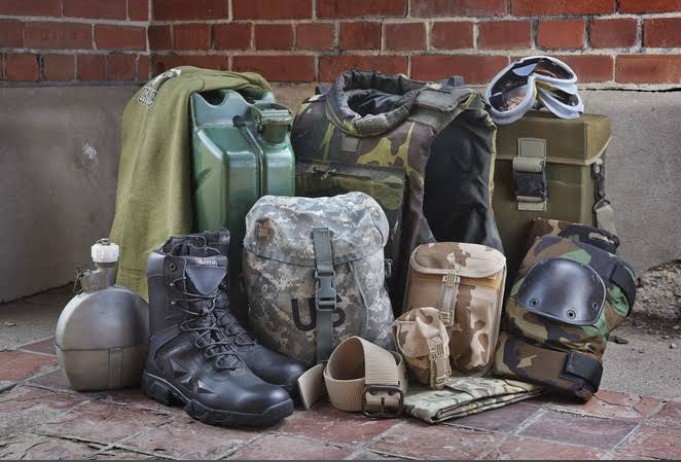
Utah weather does not wait for a convenient time to turn cold. A wool blanket or an emergency bivy, a rain poncho, and a change of warm base-layer clothing take up little space and cover a wide range of conditions. Plastic sheeting and a roll of duct tape let you block a broken window or rig a quick shelter. Surplus wool blankets and ponchos are popular for exactly this because they are built to hold up and pack down small. The goal is simple: stay dry and hold your body heat, which is harder than it sounds once the power and heat are off.
TOOLS AND THE SMALL STUFF THAT SAVES THE DAY
A short list of tools rounds out a kit and covers dozens of small problems: a multi-tool, a sturdy knife, work gloves, a whistle to signal for help, waterproof matches or a firestarter, and a length of paracord. Add a printed local map in case your phone is down, a little cash in small bills since card readers may be offline, and copies of important documents sealed in a waterproof bag. None of these need to be expensive. They need to be reliable and easy to grab in a hurry.
BUILD A KIT FOR THE PEOPLE AND PETS YOU ACTUALLY HAVE
A generic checklist is only a starting point. Tailor the kit to your household. Families with babies need formula, diapers, and wipes. Pets need a few days of food, a spare leash, and their own ID. Anyone with allergies, mobility needs, or specific medications should have those planned in first, not added as an afterthought. If you have kids, give the older ones their own small pack with a flashlight, water, and a whistle, and let them help build it. Knowing they have a job helps them stay calm if something actually happens. Utah County residents can also find kit-building guidance from the Utah County Health Department.
HOW TO PACK IT AND WHERE TO KEEP IT
Store everything in airtight bags to keep it dry, then pack it all into one or two containers you can carry fast, like a duffel or a backpack. Keep the kit somewhere you can reach on the way out the door, not buried in a basement corner. Build a separate, smaller kit for your car, since Utah families spend a lot of time driving canyons and rural stretches with thin cell service. A car kit with water, a blanket, a flashlight, jumper cables, and a basic first aid kit covers far more than just major disasters.
PREPARE THE HOUSE, NOT JUST THE BAG
In earthquake country, a few free or cheap steps matter as much as the kit itself. Keep sturdy shoes and a flashlight next to every bed, since broken glass is one of the most common injuries after a quake. Strap the water heater and secure tall furniture and heavy items to the wall. Practice Drop, Cover, and Hold On with the whole family, and take part in the Great Utah ShakeOut, the statewide earthquake drill held each spring. More on Utah's earthquake risk and drills is at Utah's earthquake preparedness site. A kit helps you recover. These steps help you avoid getting hurt in the first place.
KEEP IT CURRENT
A kit is not something you build once and forget. Every six months, open it up, check expiration dates on food, water, batteries, and medications, and replace anything that has aged out. Make sure clothing and shoes still fit growing kids, and update any documents that have changed. A good habit is to check it when the clocks change, so it lands on a date you will remember.
You do not have to buy all of this at once, and you do not need a pre-made kit to do it right. Building it piece by piece is usually cheaper and gets you gear you will actually use. A local surplus and preparedness store like Uncle Sam's in Orem carries many of these items individually, so you can fill gaps one visit at a time and spread the cost out on your own schedule. Browse our survival and preparedness supplies or stop by 1698 S State St in Orem, Monday through Saturday, 10am to 7pm.
Frequently Asked Questions
A 72-hour kit is a portable set of food, water, and emergency supplies meant to keep one person going for three days during or after an emergency. The idea is to have everything you need in one grab-and-go bag while normal services are disrupted.
The standard guideline is one gallon per person per day. For a three-day kit that means at least three gallons per person, used for both drinking and basic hygiene. Adding a small water filter or purification tablets lets you extend that supply if needed.
Non-perishable food that needs little or no cooking, refrigeration, or water: peanut butter, canned meats and beans, jerky, trail mix, granola or protein bars, crackers, and dried fruit. Include a manual can opener, and choose foods your household will actually eat.
It is a starting point, not the whole plan. After a major Wasatch fault earthquake, it may be 96 hours or more before outside help arrives, so Utah agencies recommend keeping a 72-hour kit for each person and building toward about two weeks of food and water stored at home.
About every six months. Check expiration dates on food, water, batteries, and medications, replace anything expired, and confirm that clothing and shoes still fit. Tying it to daylight saving time changes makes it easy to remember.
They overlap a lot. A 72-hour kit focuses on three days of survival essentials for emergencies of any kind. A bug-out bag is the same basic idea framed around leaving home quickly. If your 72-hour kit is packed to grab and go, it already serves both purposes.
In Utah, it helps. People here drive a lot of canyons and rural roads with weak cell coverage, where getting stranded is a real risk. A compact car kit with water, a blanket, a flashlight, jumper cables, and first aid handles far more everyday situations than a home kit alone.
Buy it piece by piece instead of all at once, start with water and food, and add gear over several trips. Individual surplus and preparedness items are often cheaper than a pre-packed bundle, and you avoid paying for things you do not need.
Preparedness basics are sold at many outdoor, surplus, and preparedness stores. Uncle Sam's in Orem, at 1698 S State St, carries preparedness and outdoor supplies individually, which makes it easy to build or top off a kit a few items at a time.